

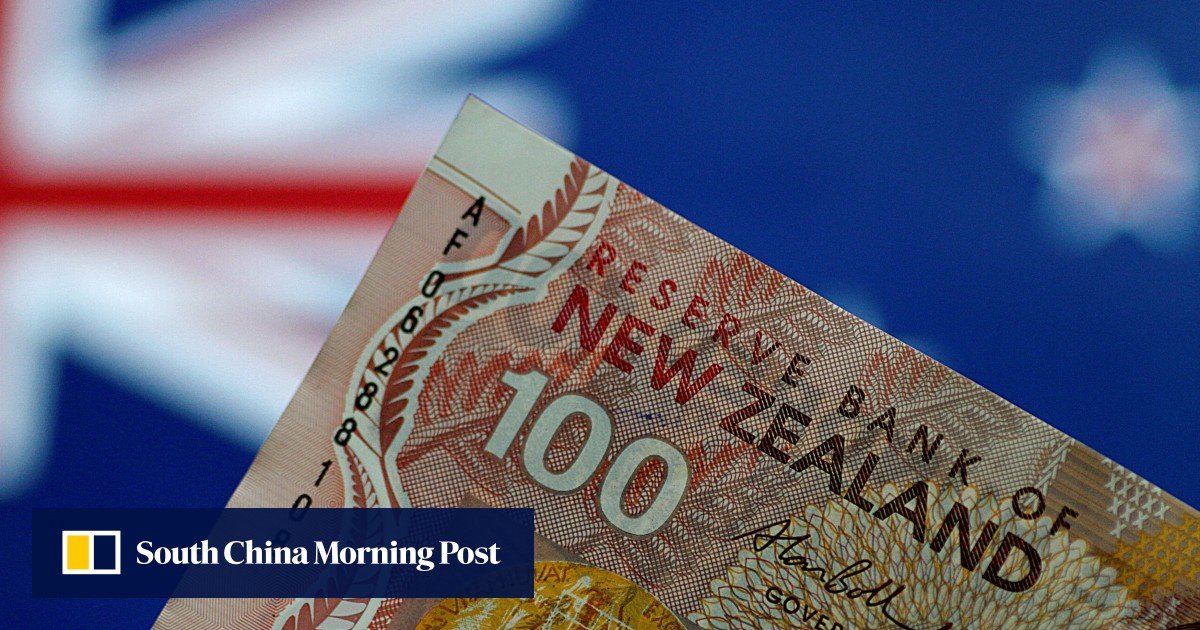
The New Zealand dollar slipped to around $0.587, retreating from a two-month high after a weaker-than-expected jobs report raised doubts about how far interest rates may rise this year. New Zealand’s unemployment rate climbed to 5.6% in the second quarter, the highest level since the third quarter of 2015 and above the expected 5.4%, pointing to growing slack in the labor market. Although employment increased 0.5% from the previous quarter and outpaced forecasts of a 0.1% rise, the gain was largely driven by a sharp increase in the labor force participation rate. Meanwhile, annual wage growth remained subdued at 2.0%, suggesting wage pressures are unlikely to fuel inflation and reducing the case for an aggressive tightening cycle. Still, markets continued to price in a September rate hike after the Reserve Bank of New Zealand signaled last month that further tightening would likely be needed to remove monetary stimulus and keep inflation under control.